
Breaking Down the Cost of Medical Insurance for Self-Employed Professionals
Self-Employed Health Insurance Costs in 2026: What to Expect
If you’re self-employed, your health insurance is one of your biggest annual expenses, and one of the most confusing. Without an employer splitting the bill, every dollar comes directly out of your business income, making it essential to understand exactly what you’re paying for.
As we move into 2026, the structure of self-employed medical insurance costs is shifting again. ACA subsidies are winding down, premium rates are adjusting, and new types of plans are emerging to meet the needs of freelancers and small business owners.
Let’s break down the real costs of medical insurance for self-employed professionals and explore how to budget effectively, and how Molli Health helps you take control with transparent pricing.
Understanding the Core Components of Insurance Cost
Health insurance pricing isn’t just about your monthly premium. To see the full picture, consider these four key factors:
- Premiums: The flat monthly fee you pay to maintain your coverage.
- Deductibles: The amount you must pay out of pocket before your insurance begins covering costs.
- Co-pays and Coinsurance: Smaller payments for doctor visits, prescriptions, or hospital stays.
- Out-of-Pocket Maximum: The most you’ll pay in a year before your insurer covers 100% of additional expenses.
Each of these plays a role in your total annual cost — and how much financial protection your plan really offers.
Average Costs for Self-Employed Workers in 2026
While prices vary by state, age, and plan tier, most experts project that individual medical insurance premiums for 2026 will fall between:
- $575 to $700 per month for individuals
- $2,000 to $2,800 per month for family coverage
However, those numbers don’t tell the whole story. The expiration of expanded ACA subsidies means that many middle-income earners will no longer receive the discounts that helped lower these premiums in past years.
As a result, self-employed professionals, especially those earning roughly 250 to 400% of the federal poverty level , are now staring at premium spikes closer to 90 to 120% on average as the enhanced ACA subsidies expire, with many seeing their payments more than double, depending on their income, plan, and state.
That’s why budgeting and plan comparison are more important than ever.
How Plan Type Affects Cost
The type of health plan you choose can dramatically change your cost structure. Here’s what to expect in 2026:
| Plan Type | Typical Premium | Deductible Range | Notes |
|---|---|---|---|
| Bronze (High Deductible) | Lowest | $6,000–$9,000 | Best for those with few medical needs but strong cash reserves. |
| Silver | Moderate | $4,000–$6,000 | Balanced choice; eligible for most ACA cost-sharing reductions (if available). |
| Gold | Higher | $1,500–$3,500 | Higher monthly cost but lower risk when you need care. |
In other words, the cheapest plan isn’t always the most affordable once you factor in deductibles and co-pays.
The Impact of the ACA Subsidy Rollback
Since 2021, federal programs temporarily expanded subsidies under the American Rescue Plan Act and later the Inflation Reduction Act. These subsidies reduced premiums for millions of self-employed Americans, but they expired after 2025.
This means:
- Some individuals will lose eligibility for premium assistance altogether.
- Those who still qualify may receive smaller credits.
- Marketplace prices will reflect the true cost of insurance, not the discounted rates seen in previous years.
For self-employed professionals who depend on predictable budgeting, this introduces uncertainty. The ACA marketplace will still offer comprehensive coverage, but premiums will fluctuate, making private, fixed-rate options like Molli Health increasingly appealing.

Wyatt Stokesberry
Co-Founder & CEO
”Independent workers, who already face the most volatile income cycles, will shoulder the sharpest increases. Molli was built for this moment: a predictable, nationwide PPO alternative that protects freelancers from the instability of government-driven pricing and gives them control over their healthcare costs.”
The Hidden Costs of Traditional Plans
Even beyond the monthly premium, there are hidden costs that can surprise self-employed workers:
-
Limited networks: Out-of-network visits can cost hundreds more per service.
-
Prescription changes: Formularies update annually, meaning your medications may cost more next year.
-
Unexpected billing: Separate bills from specialists or labs can sneak in, even for covered visits.
These add up quickly, especially for those managing chronic conditions or frequent care needs.
Molli Health’s model helps reduce these surprises with straightforward pricing and broad provider access, so you can plan your healthcare spending with confidence.
Budgeting for Medical Insurance as a Self-Employed Professional
When you run your own business, health insurance is part of your operating cost, just like software, equipment, or marketing. Smart budgeting can make the difference between stability and stress.
Here’s how to structure your healthcare budget:
- Estimate your all-in annual cost. Multiply your monthly premium by 12, then add your deductible and average co-pays.
- Set aside a “health savings buffer.” Keep at least one month’s premium or deductible amount in reserve.
- Review your plan yearly. Your income, coverage needs, and provider options may change.
- Explore transparent alternatives. Private models like Molli often make it easier to anticipate true costs upfront.
The goal is to view your health coverage not as a fixed expense but as a strategic investment in long-term stability.
How Molli Health Keeps Costs Predictable
Molli Health was designed specifically for freelancers, consultants, and small business owners who want simplicity and transparency, not government complexity.
Here’s how Molli keeps your costs clear:
- Flat-rate pricing: what you see is what you pay, no hidden fees or subsidy dependencies, and you can save up to 30% vs. ACA marketplace plans.¹
- Flexible plan options: Choose coverage that matches your needs and budget, not someone else’s formula.
- Clear, upfront pricing: Molli's model focuses on clarity and upfront transparency to reduce unexpected charges.
- Nationwide accessibility: Consistent coverage wherever you live or work.
With Molli, you can plan your healthcare budget like you plan your business, with full visibility into every dollar.
Molli Plan Tiers at a Glance
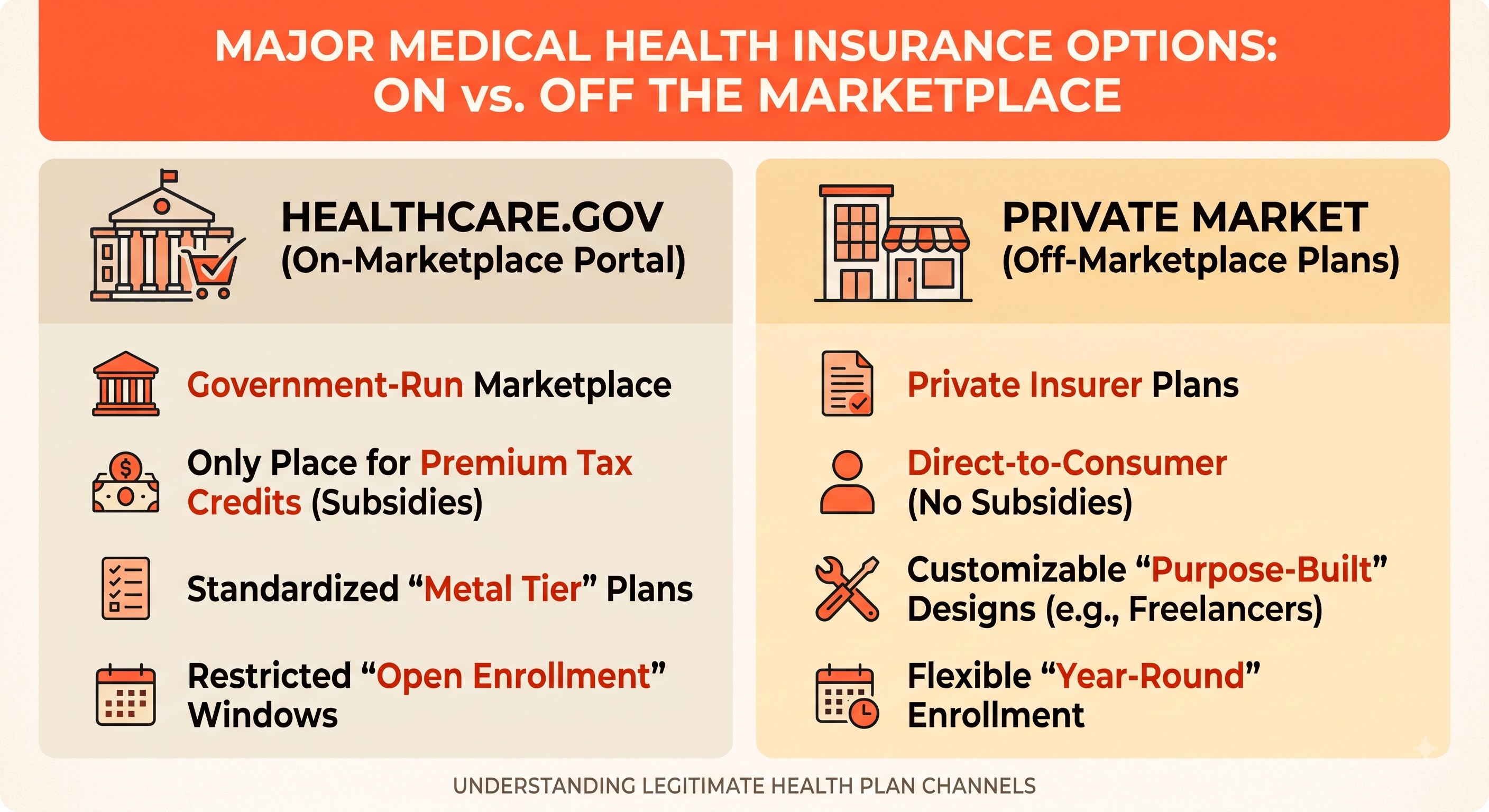
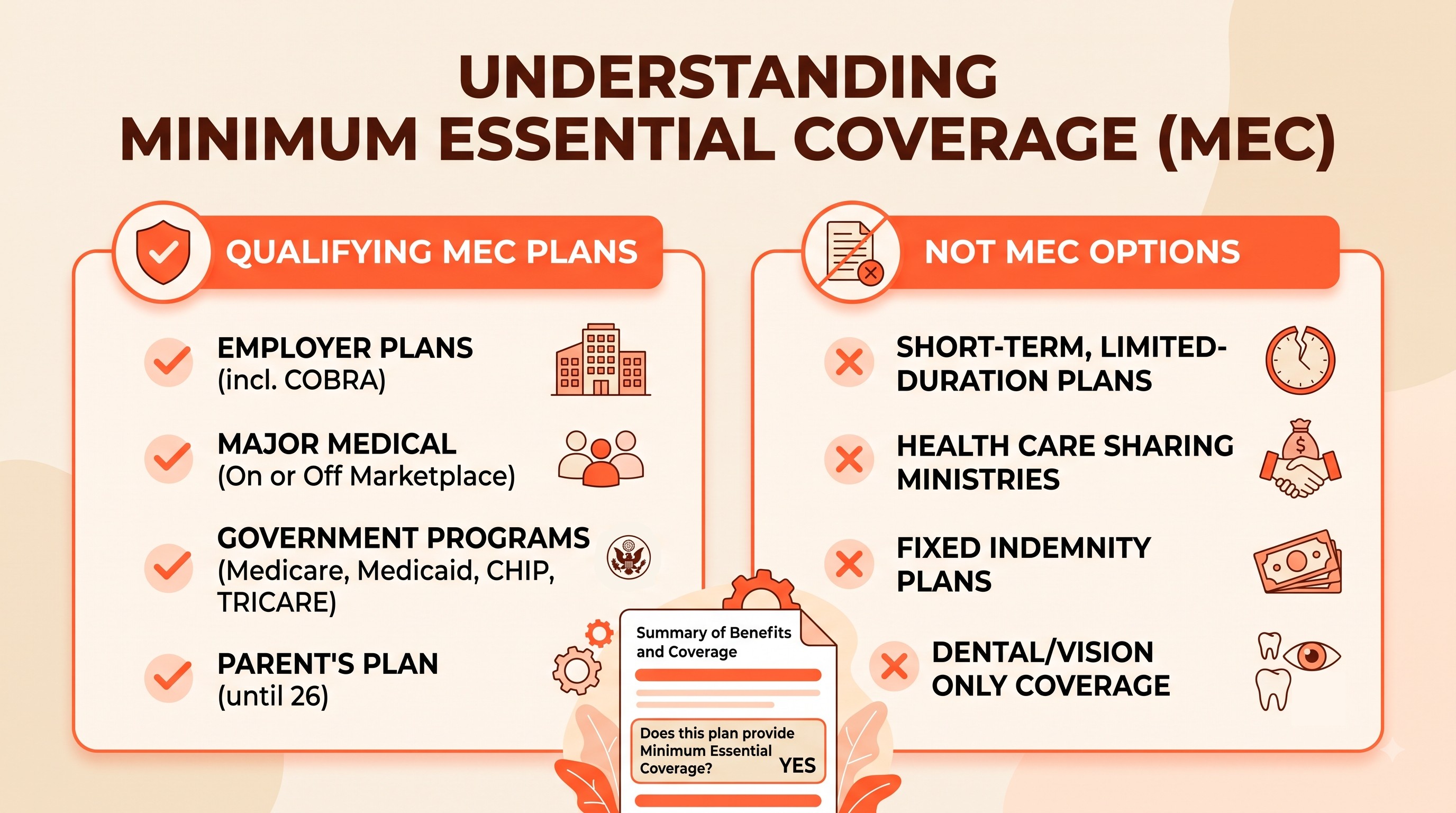
Molli plans are ACA-compliant major medical plans that count as minimum essential coverage. You pick your deductible level based on how much cost-risk you want to carry.
(Molli is sold off the ACA marketplace, so ACA premium assistance does not apply; the tradeoff is predictable, flat pricing.)
| Deductible level | Individual deductible (in-network) | Individual out-of-pocket max | After you meet the deductible |
|---|---|---|---|
| Lower deductible | $2,500 | $2,500 | Plan pays 100% |
| Mid deductible | $5,000 | $5,000 | Plan pays 100% |
| Higher deductible | $10,000 | $10,000 | Plan pays 100% |
Family deductibles and out-of-pocket maximums are double the individual figures. A lower deductible comes with a higher monthly premium and a higher deductible with a lower premium, so you pick the balance that fits your budget.
Two things stand out.
First, on every tier your deductible is also your in-network out-of-pocket maximum, so there is no separate coinsurance: once you meet the deductible, the plan pays 100% of covered in-network care for the rest of the calendar year.
Second, every tier includes $0 virtual primary care through Vitable and 100% preventive care before the deductible, and you never need a referral to see a specialist.
The Bottom Line
As 2026 arrives, self-employed medical insurance costs are becoming more transparent, but also more variable. The loss of federal subsidies means freelancers will face new challenges balancing affordability and protection.
Understanding your total healthcare cost, not just your premium, is the key to avoiding unpleasant surprises. And platforms like Molli Health make it possible to get high-quality coverage without the uncertainty of fluctuating government support.
Enroll with Molli Health
Get clarity, consistency, and control over your health insurance costs. Molli Health offers transparent, flexible coverage built for self-employed professionals, with no hidden fees and no subsidy dependency.
Check out Molli’s competitive pricing and enroll today.
About the Author
Wyatt Stokesberry
Co-Founder & CEO
With over five years of experience in health insurance, Wyatt brings deep expertise in building, scaling, and understanding consumer behavior in self-funded health plans to Molli. Wyatt is passionate about reducing the cost of health insurance and delivering scalable, transparent solutions to individuals—the most underserved segment in the industry. Wyatt's goal is to provide high quality, cost controlled health insurance for individuals.
About the author
Wyatt Stokesberry, Co-Founder & CEO.
With over five years of experience in health insurance, Wyatt brings deep expertise in building, scaling, and understanding consumer behavior in self-funded health plans to Molli. Wyatt is passionate about reducing the cost of health insurance and delivering scalable, transparent solutions to individuals, the most underserved segment in the industry. Wyatt's goal is to provide high quality, cost controlled health insurance for individuals.
¹ Savings vary by location, age, and plan selection. Based on comparison of Molli Pro plan rates to ACA Silver benchmark premiums.